
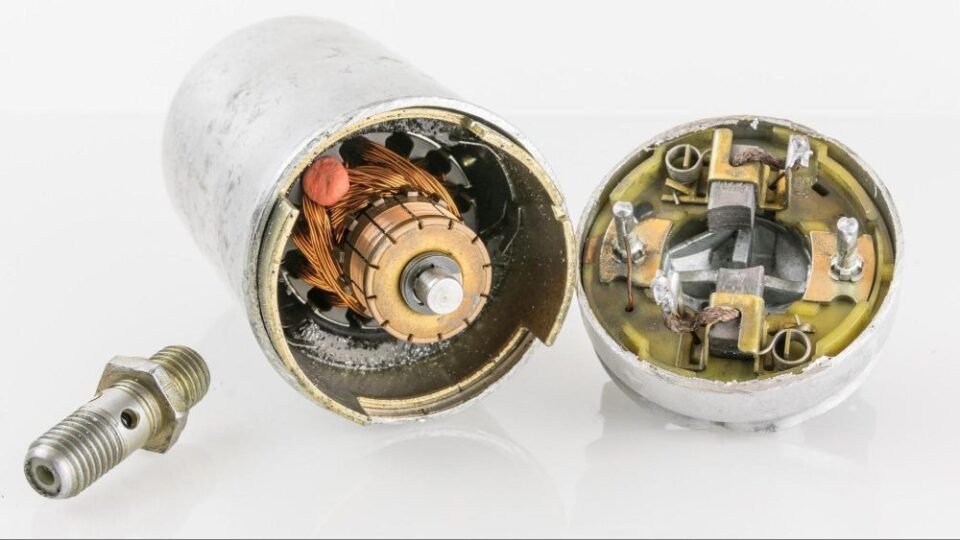
Engine reliability is often described through broad terms such as durability, power, efficiency, and service life. Those words matter, but they become real only when individual systems perform with accuracy.
In diesel engines, the fuel system is one of the most important parts of that reliability story. It must move fuel consistently, support proper pressure, and help the engine receive the right amount of fuel at the right moment.
When fuel delivery is stable, the engine feels strong and predictable. When it is not, even a well-built engine can become difficult to trust.
The fuel pump plays a central role in this process. It helps support starting behavior, idle quality, acceleration, load response, and overall combustion efficiency.
A weak or mismatched pump can create symptoms that feel like larger engine trouble, including hard starts, hesitation, smoke, poor economy, and reduced pulling strength.
For owners, repair shops, and fleet operators, choosing the correct replacement is not a minor detail. It is a practical decision that can shape how long the engine continues to perform well.
Why Fuel Pump Accuracy Matters
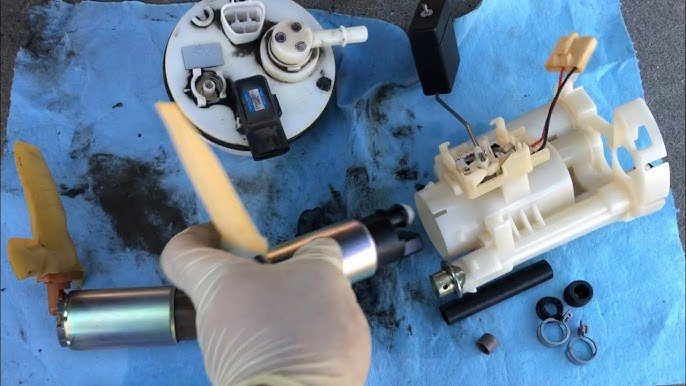
Diesel engines depend on compression and precise fuel delivery. Unlike gasoline engines that rely on spark ignition, diesel engines need fuel to enter the combustion chamber under specific pressure and timing conditions.
If that delivery becomes weak, delayed, uneven, or excessive, combustion quality changes. The engine may still run, but it may not run cleanly, smoothly, or efficiently.
This is why the fuel pump should be viewed as a performance component, not just a supply part. It supports the relationship between the tank, fuel lines, filters, injectors, and combustion chambers.
When the pump performs correctly, the entire system has a better chance of working as designed. When it fails, the problem can ripple through the engine like a loose bolt in a clockwork room.
Engine Choice and Fuel System Dependability
When drivers compare engines, they usually think about horsepower, torque, fuel economy, maintenance history, and long-term ownership costs.
That type of evaluation is useful because an engine is not judged only by how it performs on its best day. It is judged by how consistently it performs over many years.
A discussion of the best XC90 engine options shows how buyers often weigh reliability, design, and service expectations when choosing a powertrain.
The same logic applies to diesel repair. A strong engine platform can lose much of its appeal if the supporting systems are neglected.
Fuel delivery, cooling, lubrication, sensors, and maintenance habits all influence whether an engine remains dependable.
The pump may not be the largest part under the hood, but it often decides whether the engine can deliver its power with confidence.
Fuel Pump Selection and Long-Term Diesel Service

Diesel owners often reach a point where the engine still has useful life, but fuel delivery problems begin to interrupt performance.
In that situation, selecting the right Bosch fuel pump can help restore the balance between pressure, delivery, and combustion quality.
The right replacement supports smoother starting, steadier operation, and better load response, especially in vehicles or equipment that depend on consistent fuel movement for daily work.
Good pump selection is not just about replacing a failed part; it is about preserving the engine’s ability to perform reliably over time.
Symptoms That Point Toward Fuel Delivery Problems
Fuel pump issues often develop in stages. At first, the driver may notice longer cranking, a slight stumble at idle, or mild hesitation when accelerating.
As the condition worsens, the engine may lose power under load, smoke more than usual, stall unexpectedly, or show inconsistent fuel economy.
These symptoms can be frustrating because they often overlap with injector issues, clogged filters, air leaks, poor fuel quality, or electronic control problems.
A careful diagnosis is therefore essential. Replacing a pump without checking the full fuel system can leave the real cause untouched.
Filters, seals, lines, injectors, tank condition, and fuel contamination should all be considered. A diesel fuel system works as a connected chain, and the weakest link can make the strongest component look guilty.
The Injector Connection
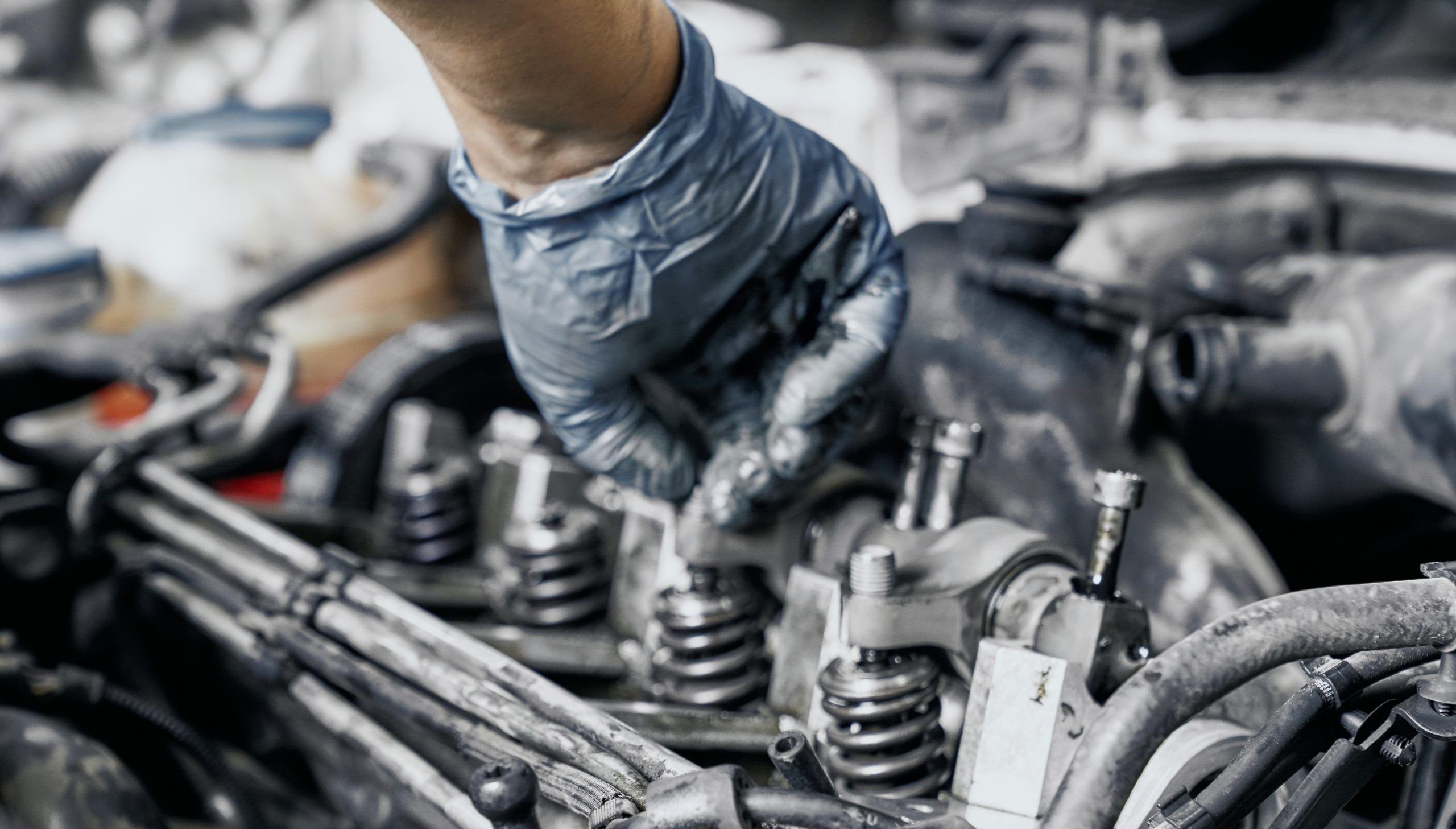
Fuel pumps and injectors work closely together. The pump helps support delivery, while injectors must distribute fuel properly inside the engine.
If injectors become dirty or restricted, performance can suffer even when the pump is healthy. Drivers who want a maintenance-focused view can review this guide on whether fuel injectors need periodic cleaning, which helps explain why fuel system cleanliness matters for consistent engine behavior.
Still, injector cleaning is not a cure for every fuel system problem. If the pump is worn, incorrectly matched, or unable to maintain proper delivery, cleaning the injectors will not restore the missing pressure or timing support.
The best repair approach separates maintenance issues from component failure and then addresses the correct cause.
Why Proper Matching Is Critical
A fuel pump should not be selected by name alone. Diesel applications can vary by engine model, year, calibration, fuel system design, and operating demands.
A pump that appears close may still be wrong for the vehicle. Incorrect fitment can lead to poor starting, weak power, smoke, rough running, or repeat repairs.
Repair professionals usually look at part numbers, engine application, pump type, condition, and installation requirements before making a recommendation.
That level of detail matters because diesel systems are less forgiving than casual parts matching suggests.
The right pump helps the engine return to its intended operating rhythm. The wrong pump can turn a repair into a fresh diagnostic puzzle.
Brand Section: Goldfarb Inc. and Diesel Parts Support

Goldfarb Inc. supports diesel owners, mechanics, equipment operators, and shops that need practical access to specialized engine components.
In diesel repair, sourcing can be just as important as installation because the correct part must match the exact needs of the engine and application. A clear parts source helps reduce uncertainty when vehicles or equipment cannot remain out of service for long.
That support is especially valuable for older diesel engines, commercial vehicles, and equipment with specific fuel system requirements.
Availability, condition, and compatibility all matter. When replacement options are organized with real repair needs in mind, technicians and owners can move from diagnosis to repair with more confidence and fewer detours through the parts wilderness.
Maintenance Habits That Protect Fuel System Life
Protecting a fuel pump begins with clean fuel and regular maintenance. Fuel filters should be replaced on schedule, water contamination should be addressed quickly, and leaks or air intrusion should not be ignored.
Small changes in starting behavior, idle smoothness, smoke, or throttle response should be treated as early warnings rather than background noise.
For engines used in towing, hauling, farming, construction, or long-distance driving, these habits become even more important. Heavy workloads place consistent demand on fuel delivery.
A healthy pump helps the engine remain steady under pressure, while a failing pump often shows its weakness at the exact moment the vehicle is needed most.
Conclusion
A diesel engine’s reliability depends on accurate fuel delivery. The fuel pump supports starting, idle stability, acceleration, load response, and combustion quality.
When it performs correctly, the engine feels composed and useful. When it fails, the entire machine can become unpredictable, even if the core engine remains strong.
Choosing the right replacement pump is therefore a careful repair decision, not a casual purchase. With proper diagnosis, clean fuel practices, correct matching, and dependable sourcing, diesel owners can protect the performance and service life of engines built to work hard. The fuel pump may operate quietly, but its role in long-term reliability speaks with a very firm mechanical voice.