
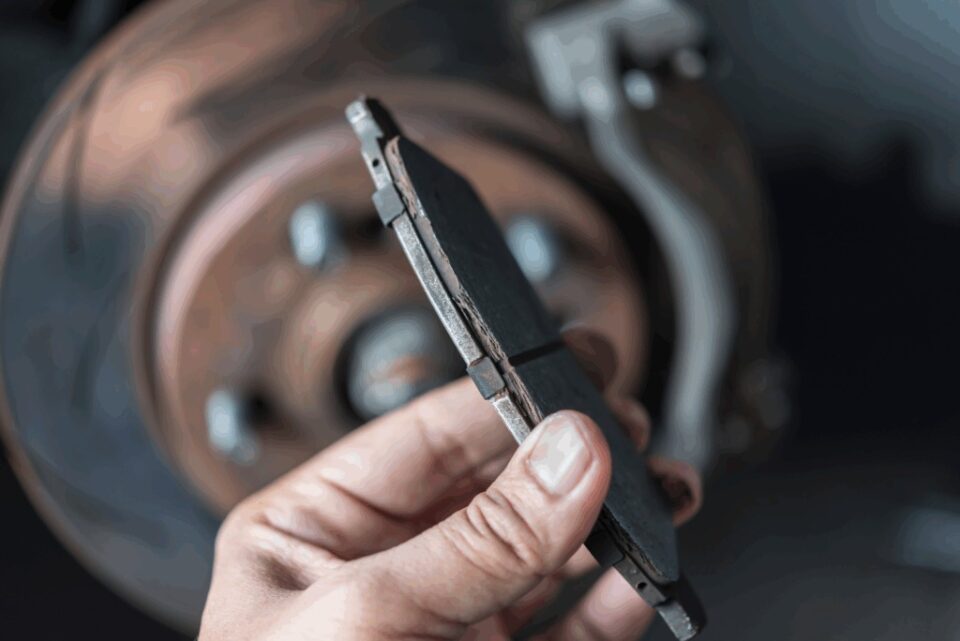
The wear on the brakes is an incremental process, and you might not realize the slight changes immediately. That is why it is good to know early warning signs that will save you money, avoid more serious repairs, and keep you safe on the road.
Here are some helpful instructions on how to interpret brake issues, identify the signs of worn-out pads and rotors, and when it is time to change.
Why brake pads and rotors wear off
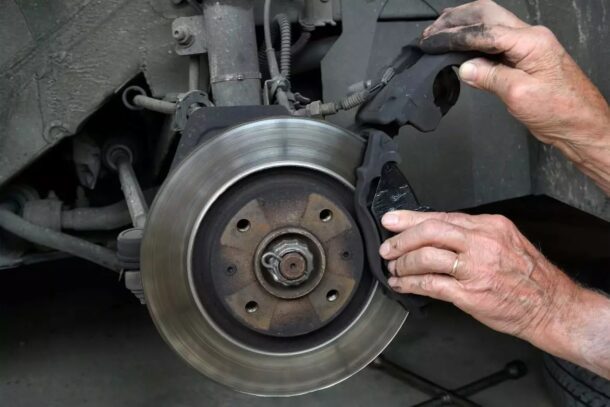
Brake pads and rotors operate together to decelerate your car. They achieve this through friction.
Whenever you press the brake pedal, the pads clamp the rotor, generating the force that stops.
With time, this friction causes the pad material to wear off and also causes thinning of the rotor surface.
Driving habits matter, too. Your brakes will wear out sooner when:
- You drive a lot in traffic
- You press the brake pedal hard
- You drive through hilly roads.
The kind of pads that your car has can also impact the rate at which they wear away.
Since brake wear is inevitable, it is not your mission to prevent it. But you must identify its presence and address it before it becomes a safety problem. That’s where a trusted Auto Repair Virginia Beach VA professional can help.
Typical symptoms of the brake pads that require replacement
Brake pads tend to provide you with some early warning signs that they are wearing out. Note the following indicators:
Squeezing or squealing
Most of the pads contain a mini-metallic wear indicator that creates a high-pitched squeal once the pad material becomes low. When you hear a steady squeaking sound when braking, especially at low speeds, the pad is trying to tell you something.
Grinding sounds
Grinding is more serious. This can be a sign that the pad material is completely worn away. As a result, the metal backing plate is rubbing against the rotor. Now, you will definitely require new pads, and the rotors might also be broken.
Longer stopping distances

The pads may have lost their grip if you feel that you must press the brake pedal sooner than usual, or if the car takes longer to decelerate.
A soft or spongy brake pedal
A light pedal may indicate a number of problems, such as:
- Damaged pads
- Air in the lines
- Hydraulic problems.
Visible thinning of the pads
With cars that have open-spoke wheels, you can even see the brake pads without having to remove anything. Pads less than a quarter-inch must be changed.
What about the rotors? Signs they’re worn or damaged
Rotors do not wear out as fast as pads do. However, they should also be inspected regularly. They give unmistakable warnings when worn or overheated:
Vibration when braking
One of the typical indicators of rotor warping is a steering wheel or brake pedal that vibrates when you press it. Warping does not necessarily imply a physical deformation of a rotor. Sometimes it can be caused by uneven deposits of brake pad material.
Grooves or scoring
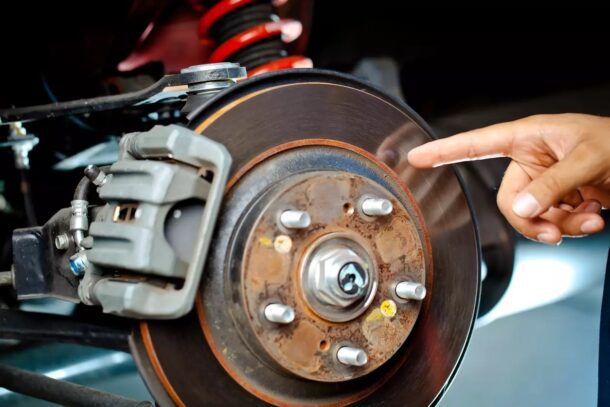
Deep grooves in the rotor surface indicate contact of the pad backing plate or non-uniform pad friction material. Grooved rotors usually require a resurface or replacement.
Blue or dark discoloration
Rotors that are overheated may turn blue. Having too much heat decreases the effectiveness of the braking system and might cause warping.
A pulsing feeling when stopping
When you experience a pulsating feeling, particularly during light braking, then you have uneven wear of your rotor or a varying depth of thickening.
When to change pads and rotors
The exact time of changing brake parts varies depending on the condition of the parts, your driving habits, and the manufacturer’s manual. So, the following are some rules to follow:
Replace the brake pads when:
- You hear squealing or squeaking sounds.
- The pads appear noticeably slim (thinner than 1/4 inch).
- The pedal is soft.
- The car takes more time to stop.
- You hear grinding (replace immediately).
Re-surface or replace rotors when:
- They are vibrating or pulsing.
- They are heavily grooved or marked.
- They are less than the minimum thickness (this can be checked by a technician).
- You are on the second or third set of brake pads with no rotor replacement.
In case both pads and rotors are seriously worn out, most technicians from the London Bridge Auto and Transmission Repair Shop Virginia Beach suggest changing them together. This guarantees appropriate bedding-in, consistent performance, and enhanced long-term stability.
How to prevent braking troubles
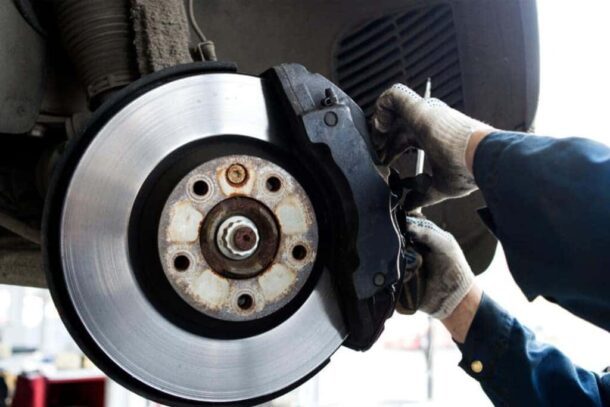
Some basic routines will go a long way:
- Arrange periodic checks. This should be done preferably every time there is a change of oil.
- You should not ride your brakes, particularly when climbing a hill. Use engine braking whenever possible.
- Create more distance in traffic. This will decrease sudden stops.
- Listen to sound and vibration. Braking problems often reveal themselves at an early stage.
The wrap-up
Brake failures do not occur out of the blue. They usually give some warnings. Paying attention to those signs will safeguard you and save you from more costly repairs in the future.