
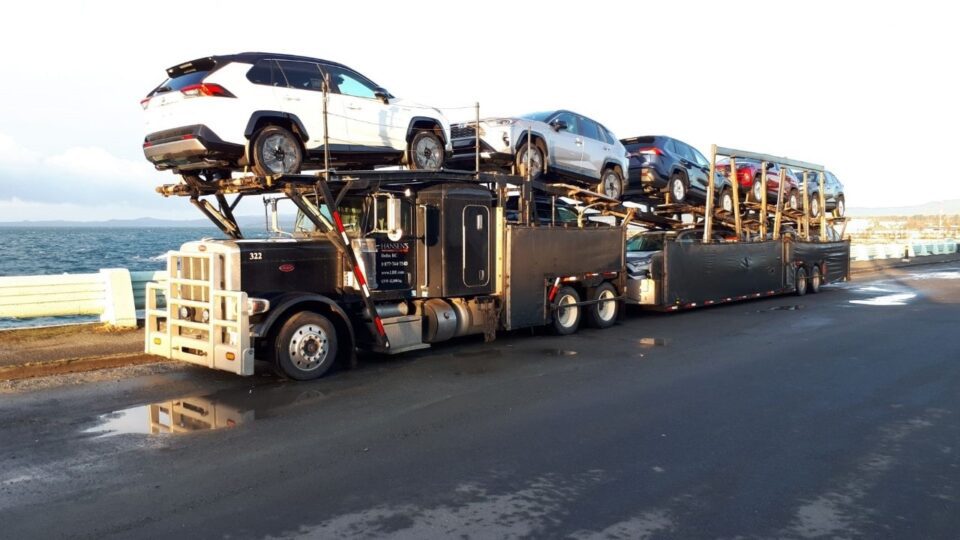
A vehicle does not need to run to be worth transporting. Project cars mid-restoration, flood or collision-damaged vehicles headed to a salvage buyer, inherited cars that have been sitting for years, and daily drivers that broke down far from home all create legitimate reasons to move a vehicle that cannot operate under its own power.
The process is well-established and carriers handle non-running vehicles regularly. But there are meaningful differences from a standard transport booking that owners need to understand before they call for a quote.
Why Non-Running Vehicles Require Different Handling
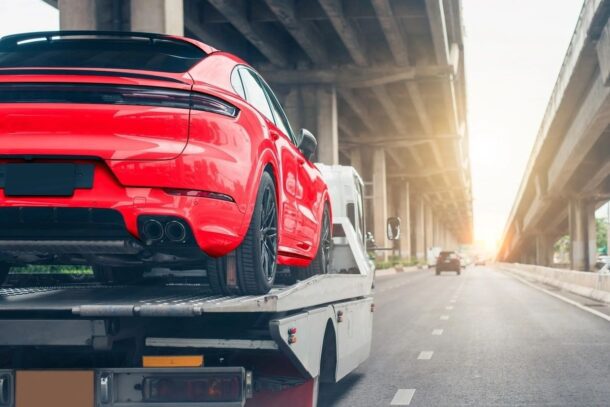
Standard vehicle transport assumes the car can be driven onto and off a carrier under its own power. The driver steers the vehicle up a ramp, positions it on the deck, and the carrier secures it in place.
That sequence depends entirely on a vehicle that moves, steers, and brakes normally.
A non-running vehicle cannot complete any part of that sequence without assistance. Depending on what is wrong with it, loading may require a winch, a forklift, a flatbed with a hydraulic tilt deck, or a combination of equipment that a standard multi-car carrier simply does not carry.
The carrier needs to know about this requirement before they show up, not when they arrive at the pickup address.
This is the single most important rule for non-running vehicle transport: disclose the condition accurately and completely at the time of booking.
Carriers who discover a non-running vehicle at pickup without prior notice may refuse the load, charge an unplanned fee, or be unable to complete the service because they do not have the right equipment on the truck.
What Non-Running Actually Means to a Carrier
From a carrier’s perspective, non-running exists on a spectrum, and where your vehicle sits on that spectrum affects what equipment and approach are needed.
A vehicle that turns over but will not start is different from one with a seized engine. A car with a blown transmission that rolls freely in neutral is easier to handle than one with locked brakes or a bent frame that prevents rolling. A vehicle with intact steering is handled differently from one where the steering is frozen or the wheels are turned at an angle that cannot be corrected.
When you contact a carrier, be prepared to describe the specific condition in plain terms. Does the vehicle roll? Does it steer? Are the brakes functional? Is the drivetrain intact? These are the questions a carrier will ask, and having clear answers reduces back-and-forth and gets you to an accurate quote faster.
Equipment Used for Non-Running Vehicle Transport
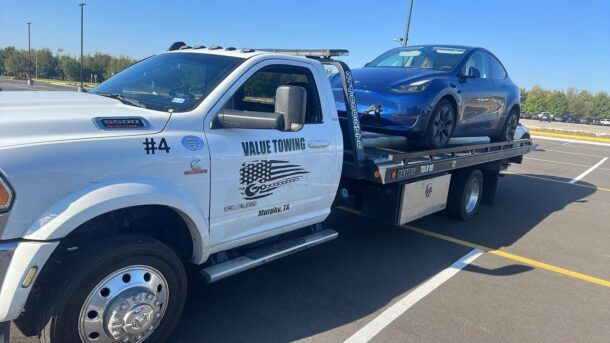
The most common equipment for non-running vehicles is a flatbed truck with a tilt or slide deck that allows the vehicle to be winched aboard from ground level without requiring the car to navigate a steep ramp. This is the standard solution for vehicles that roll freely but cannot drive under their own power.
For vehicles that do not roll — seized brakes, locked differentials, or damaged wheel assemblies — a flatbed with a forklift or crane attachment may be required. This is specialized equipment that not every carrier operates, and it may need to be sourced specifically for the job, which affects both cost and scheduling lead time.
Some carriers who specialize in salvage and non-running transport also use wheel-lift systems for vehicles where limited rolling capability exists. The right equipment for your situation is something the carrier determines based on your description of the vehicle’s condition. Providing accurate information is what allows them to show up with the right tools. Non-running vehicle shipping is a defined service category, and carriers who specialize in it have the equipment and process experience to handle the range of conditions that come with it.
Cost Differences Compared to Standard Transport
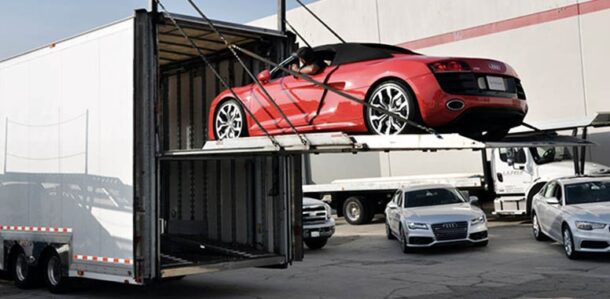
Non-running vehicle transport costs more than standard transport on the same route. The premium reflects the additional equipment, handling time, and carrier risk involved in loading and securing a vehicle that cannot cooperate with the process.
The size of that premium depends on what the vehicle actually requires. A vehicle that rolls freely and just needs a winch-assist onto a flatbed may carry a modest surcharge over standard rates.
A vehicle that requires a crane lift, specialized rigging, or a dedicated single-vehicle transport because it cannot be loaded alongside other cars will cost significantly more.
Getting an accurate quote requires giving the carrier an accurate picture of the vehicle’s condition. Quotes provided on the assumption that the vehicle rolls freely, then revised upward at pickup when the carrier discovers otherwise, create disputes and delays.
The quote you get upfront should be the one that reflects what your vehicle actually is.
Choosing the Right Carrier for a Non-Running Vehicle
Not all transport carriers handle non-running vehicles. Of those that do, the level of experience and equipment varies considerably.
A carrier who handles non-running vehicles occasionally alongside a standard passenger vehicle business is a different proposition from one who manages salvage, project, and inoperable vehicle transport as a core part of their operation.
For straightforward cases — a car that rolls freely and just needs winch loading — the difference may not matter much.
For complex cases involving locked wheels, major structural damage, or vehicles that require unusual rigging, working with a carrier who genuinely specializes in this work is worth the effort to find.
Ask carriers directly how they handle vehicles in your specific condition. A carrier confident in their approach will answer that question clearly and specifically.
One who gives vague reassurances without addressing the actual handling method is worth treating with caution.
Car shipping across Canada for non-running vehicles follows the same geographic network as standard transport, but the carrier selection process requires more scrutiny than a standard booking.
Where Non-Running Vehicles Are Typically Going
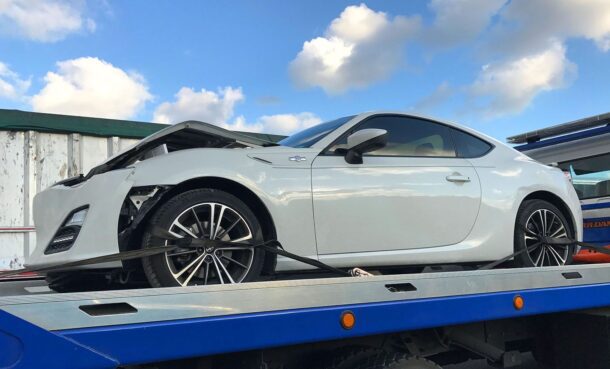
The destination context matters because it affects delivery logistics as much as pickup does. A non-running vehicle being delivered to a restoration shop or a salvage yard is a different scenario from one being delivered to a residential driveway, where unloading equipment and space constraints may be more limited.
Confirm with your carrier that the delivery address is accessible for the equipment they are bringing.
A flatbed truck with a tilt deck needs a certain amount of flat, clear space to unload safely.
A narrow driveway, a steep grade, or an address on a street with limited turning radius can complicate delivery in ways that need to be identified in advance.
If the destination is a business — a mechanic, a body shop, a dealer, or a salvage facility — those locations are typically set up for vehicle drop-offs and the logistics are more straightforward.
If it is a residential address, a brief conversation with the carrier about the physical space available at delivery helps avoid complications on the day.
Documentation and Condition Reporting for Damaged Vehicles
Condition reporting for a non-running or damaged vehicle deserves more attention than for a standard shipment.
The vehicle is already in a compromised state, and accurately documenting it at pickup protects both the owner and the carrier from disputes about what damage existed before transport and what, if anything, occurred during it.
Photograph the vehicle from every angle before handover and capture existing damage in detail.
Review the carrier’s condition report carefully before signing, and request a written notation acknowledging any pre-existing damage that affects large portions of the bodywork or structure.
Auto transport carriers use standardized condition reporting for all vehicle types, and the process works the same for damaged vehicles as undamaged ones — it just requires more detail to do properly.
Frequently Asked Questions
Can I ship a vehicle that is missing its wheels or tires?
Yes, but this needs to be disclosed at booking with specific detail. A vehicle on rotors or without wheels requires specialized loading equipment and cannot be moved using standard winch or ramp methods. Carriers who handle salvage transport regularly are the appropriate option for this type of shipment.
Will my insurance cover a non-running vehicle during transport?
It depends on your policy. Some standard auto policies lapse when a vehicle becomes inoperable for an extended period. Confirm active coverage with your insurer before the shipment and check that the policy covers the vehicle during commercial carrier transport specifically.
How much more does it cost to ship a non-running vehicle?
The premium over standard rates varies by condition and what equipment is required. A vehicle that rolls freely may cost modestly more than a standard shipment. One that requires crane loading or dedicated transport can cost substantially more. An accurate quote requires an accurate description of the vehicle’s actual condition at the time of booking.